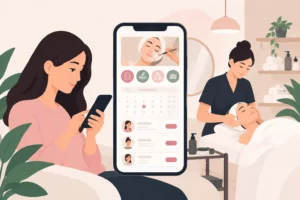
A blank 2pm slot, a client who has not confirmed, and three messages asking for Saturday availability: that is where booking software either earns its place or creates more work. When salon owners search for Fresha alternatives UK, they are usually not looking for more technology. They want clearer control of their diary, client communication and the cost of getting bookings.
Fresha can suit businesses that value marketplace exposure alongside booking tools. But it will not be the right setup for every barber, salon, nail technician or beauty professional. Your best option depends on where your bookings come from, how you manage staff, and whether you want your system to focus on your own client base or a wider marketplace.
Why UK businesses look beyond Fresha
The first question is not whether Fresha is good or bad. It is whether its model fits the way you want to run your business. A marketplace can introduce new clients, which may be useful for a newer salon or an independent professional building a local following. At the same time, businesses should understand the commercial terms attached to marketplace-sourced clients and decide whether that trade-off makes sense for their margins.
Some owners also want a simpler system centred on their own website, social channels and repeat clients. Others need stronger day-to-day tools for managing a team: staff rotas, service timing, client notes, appointment reminders and a waitlist when someone cancels at short notice.
Before changing platforms, write down the problem you are actually trying to solve. If no-shows are the issue, reminders and confirmations matter more than a long feature list. If your team is double-booking or losing track of breaks, staff scheduling should be your priority. If your diary has regular gaps, look closely at online booking availability and how easily you can contact people waiting for an appointment.
Fresha alternatives UK businesses should compare
There is no single best booking system for every beauty business. The options below serve different types of salon and booking strategy, so compare them against your own working day rather than choosing based on brand recognition alone.
| Platform type or option | May suit | Questions to ask before choosing | |—|—|—| | Booksy | Barbers and beauty businesses that value client discovery | How important is marketplace visibility to your bookings? | | Treatwell | Salons seeking exposure to clients browsing for services | What are the terms for bookings gained through the marketplace? | | Phorest | Established salons with more detailed operational needs | Do you need its broader feature set, and does the price suit your stage? | | Timely | Service businesses wanting appointment and client management tools | Does the workflow match the way your team schedules services? | | A simpler salon-focused platform | Independent professionals and growing teams | Can it cover booking, schedules, reminders and cancellations without adding complexity? |
Booksy
Booksy is often considered by barbers and beauty businesses that want both booking software and a route to clients browsing for appointments. For a business in a competitive high street location, that visibility can be attractive. It may be less central if most of your appointments already come from regulars, word of mouth and your own social media.
Look beyond the headline plan when comparing costs. Ask how new-client bookings are treated, whether the platform encourages clients to book directly with you again, and what practical control you have over your availability. Also test the client booking journey on a mobile phone. If it takes too many steps to choose a service, staff member and time, clients may abandon the booking.
Treatwell
Treatwell is another marketplace-led option familiar to many UK salons. It can be worth considering where local discovery is a meaningful part of your growth plan, particularly if you have spare capacity on quieter days.
The trade-off is that marketplace bookings and direct bookings are not the same thing commercially. Review the current terms carefully and model them against your average service value. A discounted introductory colour service, for example, has a very different margin from a repeat cut and finish. A system that brings in new clients can still be useful, but only if you can make the numbers work after every associated cost.
Phorest
Phorest is generally aimed at salons that want a more comprehensive management platform. This may appeal to established businesses with several staff members, more complex service menus and a strong focus on client records and marketing activity.
For a larger salon, detailed functionality can be worthwhile. For a chair renter, solo nail technician or small barbershop, it can be more than is needed. Do not assume more features automatically mean a better result. The right system is the one your team can use consistently during a busy Friday, not the one with the longest demonstration.
Timely
Timely is a scheduling and business management option used by appointment-based businesses, including beauty professionals. It may suit owners looking for a clean calendar, client management and online booking without necessarily making a marketplace the centre of their strategy.
The key test here is service setup. Build a typical week during a trial: include consultations, longer colour appointments, add-ons, staff breaks and a late cancellation. You will quickly see whether the calendar feels natural or whether it creates extra admin. A booking system should protect the time needed for each service rather than forcing you to work around it.
A simpler salon booking platform
Many businesses do not need a marketplace or an enterprise-style system. They need an affordable tool that lets clients book at any time, keeps staff schedules clear, records useful client details, and helps reduce missed appointments.
This route is often best for independents and small-to-medium teams that want to build direct bookings. It gives you more control over your customer relationship and makes it easier to create a consistent booking experience across your own channels. The limitation is that you are responsible for attracting clients, rather than relying on a marketplace for discovery. For many established local businesses, that is a sensible exchange.
Choose based on your booking model, not a feature checklist
A booking platform should support the way your clients already behave. If a large share of your customers find new salons through an app, marketplace reach deserves real weight in your decision. If you have a loyal base that books every four to eight weeks, direct booking tools, reminder messages and rebooking convenience may be more valuable.
Consider these practical questions before you commit:
- Can clients book the right service, with the right team member, at the right time without contacting you first?
- Can you see staff availability, breaks and appointments clearly across the week?
- Will automated confirmations and reminders help reduce the number of missed appointments?
- When a client cancels, can you fill the gap from a waitlist or contact suitable clients quickly?
- Can you access client notes and appointment history when you need them?
- Does the monthly cost and any booking-related charges work for your average appointment value?
It is also worth involving your team early. A manager may care about calendar oversight, while a stylist may care most about seeing their own day clearly. Reception staff will notice whether moving an appointment takes seconds or turns into a chain of messages. These small workflow details determine whether software saves time in practice.
How to switch without disrupting your diary
Changing booking systems can feel risky when clients are used to one link or app. The safest approach is to plan the move around your quieter period rather than changing everything during a peak week.
Start by checking what client data, future appointments and service details can be exported from your current system. Set up your services, durations, staff availability and cancellation policy in the new platform before sharing it with clients. Then test several real-world bookings yourself, including a reschedule, a cancellation and a booking with an add-on service.
For the first few weeks, keep your communication simple. Update the booking link wherever clients find you, explain that online booking has changed, and make sure your team knows how to guide customers who ask. If you use a waitlist, make it part of the routine from day one. A cancelled appointment is less damaging when you have a clear way to offer it to someone who wants an earlier slot.
Avoid switching solely because another platform looks cheaper on paper. The better choice is the one that reduces admin, helps protect revenue from no-shows and makes booking straightforward for the clients you want to keep.
If your priority is direct online booking, clearer staff schedules, reminders and a practical way to fill cancellations, UpTor offers a free starting point for UK beauty and barber businesses that want to test a simpler setup before committing. Choose the platform that gives you more confidence in tomorrow’s diary, not just more buttons on the screen.